Gleamax

| Australian Owned. Globally Loved | Travel-Friendly Cleaning Solutions, Anytime, Anywhere | Eco Detergent Sheets — Compact, Clean, Convenient
| Australian Owned. Globally Loved | Travel-Friendly Cleaning Solutions, Anytime, Anywhere | Eco Detergent Sheets — Compact, Clean, Convenient

November 2, 2025

Detergent Sheets

Hand Soap Sheets: The Pocket-Sized Revolution in Personal Hygiene

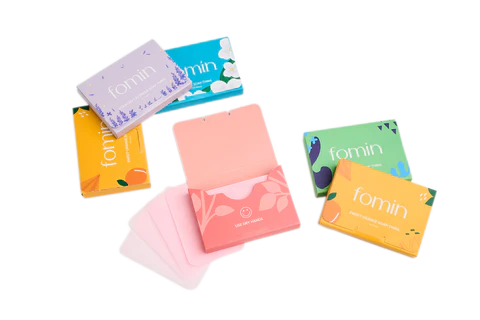
We’ve all been there: you’re in a public restroom, ready to wash your hands, and the soap dispenser is either empty, broken, or dispensing some questionable substance that’s been watered down beyond recognition. Or maybe you’re traveling, and you don’t want to waste precious luggage space on bulky liquid soap bottles that might leak all over your clothes. Enter hand soap sheets—the ingenious solution that’s transforming how we think about handwashing on the go. What Are Hand Soap Sheets? Hand soap sheets are paper-thin, dissolvable strips infused with concentrated soap. They look similar to breath strips or those dissolving vitamin films, but instead of freshening your breath, they create a rich lather when combined with water. Each sheet is individually designed to provide enough soap for one thorough handwashing session. Packaged in compact, portable containers—often no bigger than a business card holder or a slim mint tin—these sheets are lightweight, TSA-friendly, and can fit anywhere: your pocket, purse, wallet, diaper bag, or gym locker. Why Hand Soap Sheets Are Brilliant Ultimate Portability A pack of 50 hand soap sheets weighs less than an ounce and is thinner than your phone. Compare that to lugging around a travel-sized liquid soap bottle that takes up valuable space and counts toward your TSA liquid limit. For travelers, hikers, campers, or anyone constantly on the move, soap sheets are a revelation. No More Liquid Restrictions Airport security won’t bat an eye at soap sheets. They’re completely dry, which means they sail through TSA checkpoints without issue. No more sacrificing your favorite hand soap at security or settling for whatever’s available at your destination. Leak-Proof Guarantee We’ve all experienced the horror of opening a suitcase to find liquid soap has exploded everywhere. With soap sheets, that nightmare is impossible. They’re completely dry and sealed, making them the most travel-friendly soap option available. Hygiene Hero Public soap dispensers can be breeding grounds for bacteria, and many aren’t refilled or cleaned properly. With your own soap sheets, you control what touches your skin. This is especially valuable during cold and flu season or in situations where hygiene is questionable. Eco-Friendly Options Many hand soap sheets are made from biodegradable materials with plant-based ingredients. The packaging is often minimal and plastic-free, usually consisting of recyclable paper or compostable materials. Compared to the endless plastic pump bottles traditional soap requires, the environmental footprint is dramatically smaller. Precise Portioning Each sheet contains exactly the right amount of soap for one wash—no waste, no mess, no guessing. You’ll never accidentally pump out too much soap again or struggle with those overly generous automatic dispensers. How Do Hand Soap Sheets Work? The science behind soap sheets is elegantly simple. The sheets are made from water-soluble materials (often plant-based cellulose or similar biodegradable substances) infused with surfactants—the cleaning agents found in all soaps. These surfactants are the same ingredients that lift dirt and oil from your skin in traditional liquid or bar soap. Here’s how to use them: The sheet dissolves completely, leaving no residue—just clean, fresh-smelling hands. Where Hand Soap Sheets Shine Travel and Vacations From international flights to road trips, soap sheets ensure you always have quality hand soap available. They’re perfect for Airbnbs, hotels with questionable soap quality, or destinations where you’re unsure about hygiene standards. Outdoor Adventures Hikers, campers, and backpackers love soap sheets because they’re lightweight, don’t attract animals like scented liquids might, and won’t contaminate water sources if used responsibly. They’re also fantastic for beach days, picnics, or any outdoor activity where hand washing is necessary but facilities are limited. Gym and Sports Keep a pack in your gym bag for post-workout washing. They’re also great for athletes competing in tournaments or events where locker room facilities might be crowded or poorly stocked. Parents and Caregivers If you’re wrangling kids, you know how crucial hand washing is—and how often public restrooms lack adequate soap. Keep soap sheets in the diaper bag for quick cleanups after playground visits, restaurant meals, or anywhere little hands get dirty. Commuters and Office Workers Keep a pack in your desk drawer or briefcase for washing up before lunch, after using public transportation, or anytime you want to freshen up without visiting the bathroom. Emergency Preparedness Soap sheets are excellent additions to emergency kits, bug-out bags, or disaster preparedness supplies. They don’t freeze, don’t evaporate, and have a long shelf life. Healthcare Settings While not a replacement for medical-grade hand sanitizers, soap sheets can be useful for healthcare workers, caregivers, or hospital visitors who want an extra layer of hand hygiene between sanitizer applications. What to Look for When Buying Hand Soap Sheets Not all soap sheets are created equal. Here’s what to consider: Ingredients: Look for gentle, skin-friendly formulations. Plant-based ingredients like coconut oil derivatives, glycerin, and natural extracts are ideal. Avoid harsh sulfates or synthetic fragrances if you have sensitive skin. Dissolution Speed: The best soap sheets dissolve quickly in cold or warm water. Check reviews to ensure they work well in various water temperatures. Lather Quality: Some sheets produce rich, luxurious lather while others are more minimal. If you enjoy a bubbly wash, look for sheets specifically marketed for their lathering properties. Scent Options: Soap sheets come in unscented, lightly scented, and aromatherapy-inspired varieties. Choose based on your preferences and any skin sensitivities. Packaging: Look for eco-friendly packaging that’s also practical. The container should be sturdy enough to protect the sheets but slim enough to carry easily. Resealable closures are essential to keep unused sheets dry. Sheet Count: Packages typically contain 20 to 100 sheets. Consider how often you’ll use them when deciding on size. Biodegradability: If environmental impact matters to you, seek out sheets made from biodegradable materials that won’t harm waterways or ecosystems. Moisturizing Properties: Some formulations include moisturizing agents like aloe vera, vitamin E, or shea butter to prevent hands from drying out. Popular Types and Formulations Standard Cleansing Sheets: Basic soap sheets designed for everyday handwashing. These are workhorses—effective, affordable, and straightforward. Moisturizing Sheets: Enhanced
Detergent Sheets

Biodegradable Detergent Sheets: The Future of Laundry Is Paper-Thin

Remember when detergent only came in giant plastic jugs that took up half your laundry room shelf? Those days are rapidly becoming a thing of the past. Enter biodegradable detergent sheets—a revolutionary product that’s changing how we think about doing laundry. If you haven’t heard of them yet, prepare to have your mind (and your laundry routine) transformed. What Are Detergent Sheets, Anyway? Imagine a dryer sheet, but instead of fabric softener, it’s concentrated laundry detergent. Biodegradable detergent sheets are thin, lightweight strips of dissolvable material pre-measured with cleaning agents. You simply toss one or two sheets directly into your washing machine with your clothes, and they dissolve completely during the wash cycle—no measuring, no mess, no bulky bottles. These sheets are typically made from plant-based ingredients and packaged in minimal, plastic-free materials like cardboard boxes or compostable pouches. The result? Clean clothes without the environmental baggage of traditional detergents. The Problem with Traditional Detergent Before we dive deeper into detergent sheets, let’s talk about why they’re needed in the first place. Plastic Pollution: Americans use approximately 700 million plastic laundry detergent jugs every year. Most aren’t recycled and end up in landfills or oceans, where they take hundreds of years to break down. Water Waste: Liquid detergents are about 90% water. We’re essentially shipping water around the country in heavy plastic containers—an incredibly inefficient use of resources and transportation fuel. Harsh Chemicals: Many conventional detergents contain phosphates, optical brighteners, synthetic fragrances, and other chemicals that can irritate skin and harm aquatic ecosystems when they enter waterways. Overdosing: It’s easy to use too much liquid or powder detergent, which wastes product, leaves residue on clothes, and sends excess chemicals down the drain. Detergent sheets elegantly solve all these problems. Why Biodegradable Detergent Sheets Are Game-Changers Eco-Friendly Formula Biodegradable detergent sheets are typically made from plant-based, non-toxic ingredients that break down naturally without harming the environment. Most brands avoid phosphates, parabens, bleach, and synthetic dyes. When the wastewater from your laundry enters treatment systems or eventually reaches natural water sources, these biodegradable ingredients don’t accumulate or cause harm to aquatic life. Zero Plastic Waste The packaging is usually plastic-free—think recyclable cardboard boxes or compostable bags. Some companies even use biodegradable adhesives and plant-based inks. Compare that to the endless parade of plastic jugs traditional detergent requires, and the environmental impact difference is staggering. Space-Saving Design A package of 60 detergent sheets is about the size of a book and weighs just a few ounces. This is a game-changer for anyone living in small spaces, apartments without laundry rooms, or those who frequent laundromats. They also fit easily in luggage, making them perfect for travel. Pre-Measured Perfection Each sheet contains the exact amount of detergent needed for a standard load. No more guessing, no more cap-measuring, no more glug-glug-glugging and hoping for the best. This precision means you use only what you need—nothing more, nothing less. Lightweight Shipping Because they’re so light and compact, detergent sheets have a significantly smaller carbon footprint when it comes to transportation. Less weight means less fuel consumption during shipping, and more products can fit on a single truck. Gentle on Sensitive Skin Many biodegradable detergent sheets are hypoallergenic and free from harsh chemicals, making them ideal for people with sensitive skin, babies, or anyone prone to detergent-related irritation. Without the heavy fragrances and optical brighteners found in conventional detergents, they clean effectively without causing reactions. Do They Actually Work? This is the million-dollar question, right? The idea sounds great, but can a thin sheet really clean your clothes as well as that thick blue liquid you’ve been using for years? The answer is yes—but with some caveats. Detergent sheets work excellently for everyday laundry. They dissolve completely in both hot and cold water and handle normal dirt, sweat, and odors with ease. Many users report that their clothes come out just as clean, if not cleaner, than with traditional detergents, and without any residue. However, for heavily soiled items—think mechanic’s overalls, muddy sports uniforms, or cloth diapers—you might want to use two sheets or consider pre-treating stains. For most households doing regular laundry, though, one sheet per load does the job beautifully. The sheets work in all types of washing machines: top-loaders, front-loaders, and high-efficiency (HE) machines. They produce minimal suds, which is perfect for HE washers that can be finicky about traditional detergents. How to Use Detergent Sheets Using them couldn’t be simpler: That’s it. The sheet dissolves during the wash, releasing the cleaning agents evenly throughout the load. There’s no residue, no lingering scent (unless you choose a scented variety), and no mess. For cold water washes, some users recommend tearing the sheet into smaller pieces to help it dissolve faster, though most modern formulations dissolve well even in cold water. What to Look for When Choosing Detergent Sheets Not all detergent sheets are created equal. Here’s what to consider: Ingredients: Look for plant-based formulas with biodegradable surfactants. Avoid sheets containing phosphates, parabens, or synthetic fragrances if you’re sensitive or environmentally conscious. Packaging: Ensure the packaging is truly plastic-free and recyclable or compostable. Some brands greenwash their products with minimal improvements. Effectiveness: Read reviews about cleaning power, especially for the types of stains you commonly deal with. Scent Options: Many brands offer fragrance-free, lightly scented, or essential oil-scented varieties. Choose based on your preferences and sensitivities. Certifications: Look for certifications like EPA Safer Choice, Leaping Bunny (cruelty-free), or USDA Biobased Product labels. Price Point: Detergent sheets typically cost between $0.20 and $0.50 per load, which is comparable to or slightly more expensive than mid-range traditional detergents, but often cheaper than premium eco-friendly liquid alternatives. Popular Brands Making Waves Several companies have emerged as leaders in the detergent sheet market, each with their own formulations and benefits. Brands like Earth Breeze, Tru Earth, Kind Laundry, and Sheets Laundry Club have gained loyal followings. While individual experiences vary, most users find a brand that works perfectly for their needs after trying one or two options.

Cellelose Sponge

The Unsung Hero of Your Craft Room: All About Craft Sponges

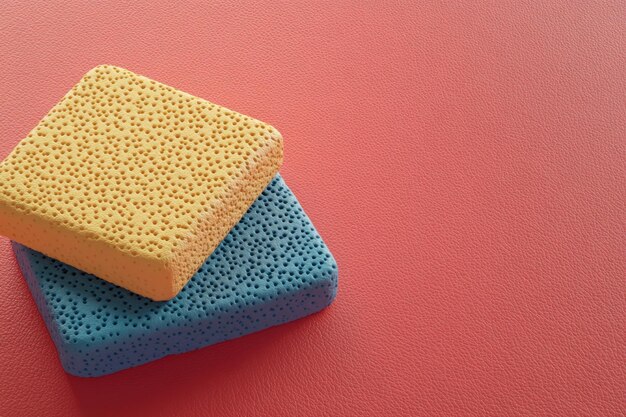
If you’ve ever wandered through the craft section of a store, you’ve probably noticed them—those colorful, oddly-shaped sponges tucked between the paintbrushes and stencils. At first glance, craft sponges might seem like just another gimmicky supply. But ask any seasoned crafter, and they’ll tell you: these humble tools are absolute game-changers. Let’s explore why craft sponges deserve a permanent spot in your creative arsenal. What Exactly Is a Craft Sponge? Unlike the kitchen sponge sitting by your sink, craft sponges are specifically designed for artistic applications. They come in various densities, textures, and shapes—from traditional rectangles to wedges, rounds, and even intricate cutout designs. The most common types include fine-pore sponges for smooth blending, coarse sponges for texture effects, sea sponges (natural or synthetic) for organic patterns, and specialty shaped sponges for stamping and decorative work. What sets them apart from household sponges is their structure. Craft sponges are engineered to hold and release paint, ink, or dye in controlled ways, giving you precision and effects that brushes simply can’t achieve. The Magic They Bring to Your Projects Texture Like Nothing Else Want to create the look of weathered stone, fluffy clouds, or aged metal? A sponge is your best friend. The irregular pores create random, natural-looking patterns that are nearly impossible to replicate with a brush. This makes them perfect for faux finishing techniques, background creation, and adding depth to mixed media artwork. Seamless Blending Craft sponges excel at blending colors smoothly without visible brush strokes. Whether you’re working on a watercolor background, blending acrylic paints, or creating gradient effects on fabric, a damp sponge can transition between hues beautifully. The secret is in the dabbing or stippling motion—it deposits color evenly without the directional marks that brushes leave behind. Speed and Coverage Need to cover a large surface quickly? Sponges are incredibly efficient. They hold more paint than brushes and can cover cardboard, canvas, wood, or paper in a fraction of the time. This makes them ideal for base coats, backgrounds, and large-scale projects where brush strokes would be tedious. Stamping and Pattern-Making Cut a sponge into shapes, and suddenly you have custom stamps. Kids love using shaped craft sponges to create artwork, but don’t underestimate their appeal for adult projects too. From creating repeating patterns on fabric to adding decorative borders on greeting cards, sponge stamping offers endless possibilities. Popular Craft Sponge Techniques Sponge Painting: The classic technique involves loading your sponge with paint and dabbing it onto your surface. Vary the pressure and amount of paint for different effects. Layer multiple colors for depth and dimension. Distressing: Lightly load a sponge with contrasting paint and dab it along edges and raised areas of furniture or paper crafts. This creates an aged, vintage look that’s perfect for shabby chic projects or scrapbooking. Ombre Effects: Use a damp sponge to blend from one color to another seamlessly. This works beautifully on canvas, t-shirts, tote bags, or paper. Stippling: Gently bounce a sponge loaded with paint onto your surface to create a soft, textured effect. This technique is fantastic for clouds, foliage, or adding subtle interest to backgrounds. Reverse Stenciling: Place a stencil on your surface and sponge paint around it. Remove the stencil to reveal a crisp design. The sponge prevents paint from seeping under the stencil edges, giving you clean lines. Choosing the Right Sponge for Your Project Not all craft sponges are created equal, and selecting the right one can make or break your project. Fine-pore sponges with dense, tiny holes are perfect for smooth blending and controlled application. They’re ideal for detailed work and watercolor effects. Coarse sponges with larger, irregular holes create more dramatic texture. Use these for rustic effects, stone textures, or bold backgrounds. Wedge sponges are versatile workhorses great for both detail work (using the edge) and broader coverage (using the flat side). Natural sea sponges offer the most organic, irregular patterns. They’re pricier but unbeatable for realistic texture effects. Cosmetic sponges (yes, really!) are excellent for very fine blending and can be great for small-scale projects or delicate color transitions. Pro Tips for Craft Sponge Success Always dampen your sponge before using it with water-based paints or inks. A slightly moist sponge picks up and releases medium more evenly than a dry one. Just be sure to squeeze out excess water first. Use a light touch—you can always add more layers, but it’s hard to remove paint once it’s on. Build up color gradually through multiple light applications rather than one heavy coat. Keep multiple sponges on hand for different colors. While you can rinse and reuse sponges, having several prevents muddy colors and speeds up your workflow when working with multiple hues. For the cleanest edges when stenciling, use an up-and-down pouncing motion rather than wiping or dragging the sponge across the stencil. Store your sponges flat and allow them to dry completely between uses to prevent mildew and maintain their shape. Beyond Traditional Crafts Craft sponges aren’t just for painting. They’re incredibly useful for applying glues evenly, spreading mod podge without brush marks, applying stains or finishes to wood projects, blending chalk or pastels, and cleaning up delicate craft messes without scratching surfaces. Many crafters also use them for ink blending in card-making and scrapbooking. The controlled application gives professional-looking results that impress. The Budget-Friendly Bonus Here’s something to love: craft sponges are remarkably affordable. You can often find multi-packs for just a few dollars, making them accessible for beginners and perfect for experimentation. Unlike expensive brushes that require careful maintenance, craft sponges are forgiving. If one gets too worn or paint-saturated, you can easily replace it without guilt. Getting Started If you’re new to using craft sponges, start simple. Grab a basic variety pack and experiment with sponge painting on scrap paper or cardboard. Try creating a simple ombre background or use a stencil with sponge dabbing. The learning curve is gentle, and the results are immediately gratifying. Once you’re comfortable with the basics, challenge yourself with

Cellelose Sponge

The Rise of Biodegradable Sponges: A Small Switch with Big Impact

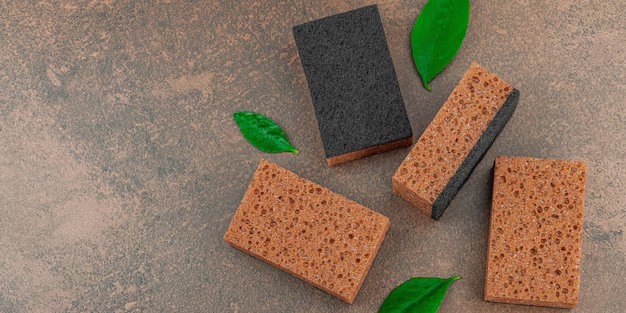
We’ve all been there—standing in the cleaning aisle, grabbing the same synthetic sponge we’ve bought dozens of times before. It’s cheap, colorful, and gets the job done. But have you ever stopped to think about where that sponge goes after it’s worn out? Spoiler alert: it’s sitting in a landfill, and it’ll be there for hundreds of years. Enter the biodegradable sponge—a simple swap that’s making waves in the sustainable living movement. Let’s dive into why these eco-friendly alternatives are worth your attention. What’s Wrong with Regular Sponges? Traditional kitchen sponges are typically made from polyurethane foam, a petroleum-based plastic. When you toss one in the trash, it doesn’t break down—it just sits there, potentially leaching chemicals into the soil and water. Americans alone throw away millions of sponges every year, contributing to our ever-growing plastic pollution problem. Beyond the environmental impact, conventional sponges can harbor bacteria and require frequent replacement, creating a continuous cycle of waste. What Makes a Sponge Biodegradable? Biodegradable sponges are crafted from natural, plant-based materials that can decompose naturally when disposed of properly. Common materials include: Cellulose: Derived from wood pulp, cellulose sponges are highly absorbent and durable. They soften when wet and can handle most cleaning tasks with ease. Coconut fibers: These create a scrubby texture perfect for tougher cleaning jobs while remaining gentle enough for most surfaces. Loofah: Yes, the same loofah you might use in the shower! When dried and cut, loofah gourds make excellent cleaning sponges. Cotton: Often used in combination with other materials, organic cotton adds softness and absorbency. The Benefits Beyond Biodegradability Switching to biodegradable sponges offers more than just environmental benefits. These natural materials are often naturally antimicrobial, meaning they resist bacteria buildup better than their synthetic counterparts. They’re also free from harmful chemicals, dyes, and synthetic fragrances that can irritate sensitive skin or contaminate your dishes. Many users report that biodegradable sponges actually last longer than conventional ones when properly cared for. They can be sanitized in the dishwasher or microwave (when damp), and some can even be composted at the end of their life. Making the Switch: What to Expect If you’re considering making the change, here’s what you should know. Biodegradable sponges might feel different at first—cellulose sponges start out stiff and expand when wet, which can take some getting used to. They typically cost a bit more upfront than conventional sponges, usually ranging from $3 to $8 per sponge compared to $1 to $3 for synthetic versions. However, because they often last longer and can be sanitized more effectively, the cost difference evens out over time. Plus, you’re investing in a product that won’t outlive you in a landfill. Caring for Your Biodegradable Sponge To get the most out of your eco-friendly sponge, rinse it thoroughly after each use and wring out excess water. Let it dry completely between uses—a well-ventilated dish rack works perfectly. Sanitize it regularly by running it through the dishwasher or microwaving it damp for one to two minutes. When it’s finally worn out, cut it up and toss it in your compost bin. The Bigger Picture Switching to a biodegradable sponge might seem like a small change, but it’s these everyday choices that add up. When millions of people make conscious decisions about the products they bring into their homes, we collectively reduce demand for petroleum-based plastics and support companies investing in sustainable alternatives. This isn’t about perfection—it’s about progress. If a biodegradable sponge works for your kitchen, great. If you discover that Swedish dishcloths or bamboo scrubbers suit your needs better, that’s wonderful too. The goal is simply to be mindful of our consumption and its impact. Ready to Take the Plunge? The next time your current sponge needs replacing, consider trying a biodegradable option. Read reviews, compare materials, and find what works best for your household. You might be surprised at how such a small swap can make you feel more aligned with your values—and how satisfying it is to know that your cleaning routine isn’t creating permanent waste. After all, taking care of our homes and taking care of our planet don’t have to be separate goals. Sometimes, they can be as simple as choosing the right sponge.

Scroll to Top

Categories